Why Spot Reduction Remains Unsupported
Published: February 2026
A Persistent Misconception
Spot reduction—the idea that exercising a specific body area or using targeted interventions reduces fat from that area—remains popular despite decades of scientific evidence against it. Understanding why spot reduction doesn't work requires understanding basic fat physiology and how the body mobilizes fat for energy.
How Fat Mobilization Actually Works
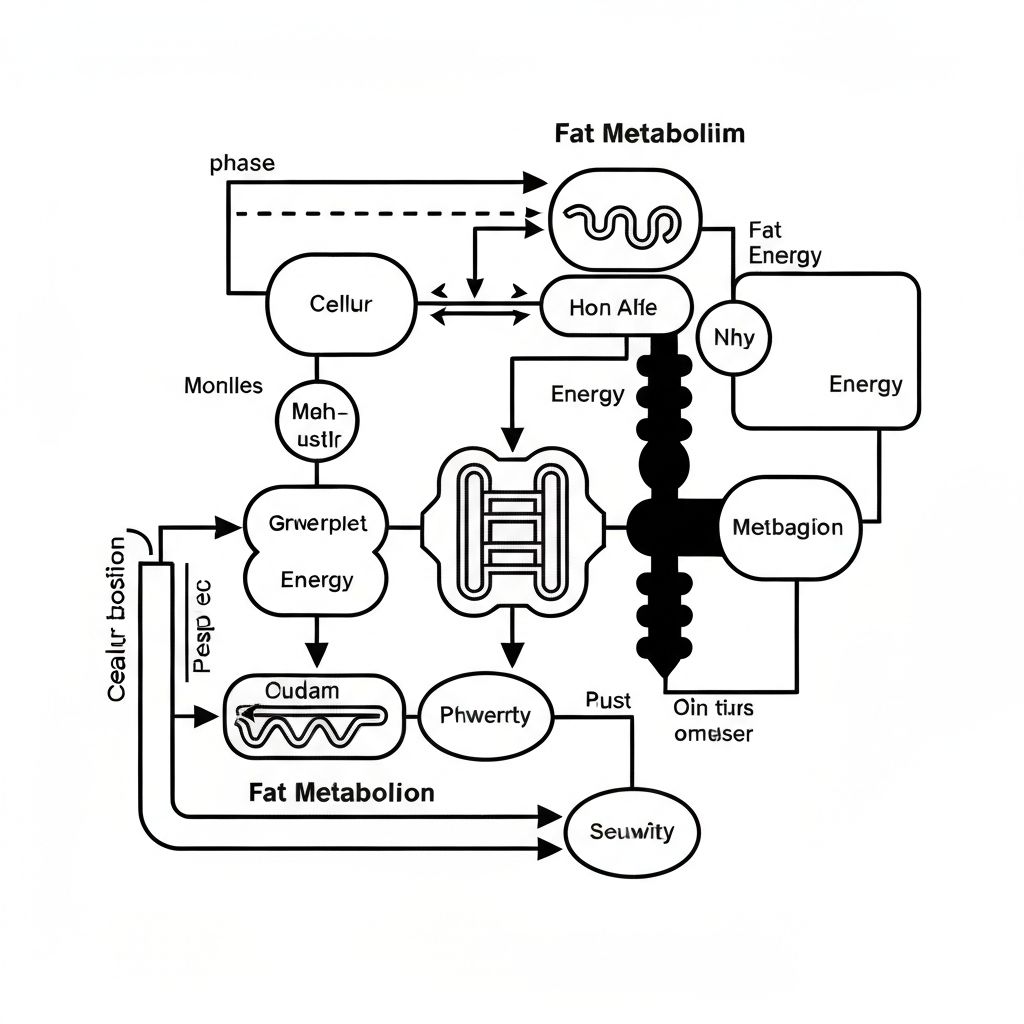
When the body needs energy, it doesn't selectively mobilize fat from the area being exercised. Instead, hormonal signals trigger fat mobilization systemically throughout the body. Epinephrine, norepinephrine, and other hormones bind to receptors on fat cells and signal them to break down fat for energy. This process occurs across all fat deposits simultaneously.
The body cannot direct these hormones to specific regions. Which fat cells respond most readily to mobilization signals depends on the density and sensitivity of hormone receptors in each region, which is genetically determined and not something that can be changed through targeted exercise.
The Role of Genetics in Fat Loss Order
The order in which fat is lost from different body regions during weight loss follows a genetically determined pattern. For many people, face and limbs show changes before abdominal areas; for others, the pattern is reversed. This individual variation in which areas lose fat first is one of the clearest illustrations that fat loss follows internal genetic programming, not external manipulation.
Research Evidence
Numerous studies have examined spot reduction and consistently found no support for it. Studies have compared people who exercise specific body areas intensively with controls, and found that fat loss from the exercised area occurs proportionally to overall fat loss—no more, no less. The exercise itself may build muscle in that area, but fat loss follows whole-body patterns, not local patterns.
Why the Myth Persists
The spot reduction myth persists because it's appealing. The idea that you can target problem areas directly is intuitively appealing and plays into the desire for control over body shape. Additionally, people often notice changes in areas they were consciously working on simply due to coincidence or because they were paying attention to those areas.
Conclusion
Fat mobilization and loss follow physiological patterns determined by genetics and hormonal systems, not by where effort is directed. Spot reduction remains unsupported by evidence because the body's fat metabolism doesn't work that way. Understanding this physiological reality helps explain why many body shape interventions fall short of their marketed promises.
Educational Information Only
This article presents information about fat physiology and exercise for educational purposes. It does not constitute fitness or medical advice. Consult qualified professionals before beginning any exercise program.